



Are you looking to take your Shopify store to the next level? It’s time to unlock the power of zero-click SEO. In today’s competitive digital landscape, simply having a beautiful website is not enough. You need to ensure that your store is optimized for search engines to drive more organic traffic and increase conversions. But what exactly is zero-click SEO, and how can it transform your online business?
In this article, we will explore five game-changing strategies to boost your Shopify store’s success using zero-click SEO. From optimizing your product descriptions with targeted keywords to enhancing your site’s speed and mobile-friendliness, these strategies will help you rank higher in search engine results and capture the attention of potential customers.
Whether you’re a seasoned Shopify store owner or just starting out, this article will provide you with actionable insights to improve your SEO efforts and drive more traffic to your online store. Get ready to unlock the power of zero-click SEO and take your Shopify store to new heights of success.
Understanding Zero-Click SEO
In the rapidly evolving digital landscape, the concept of zero-click SEO has gained significant traction. Zero-click SEO refers to the optimization of your website and online presence in a way that allows users to find the information they need without having to click through to your website. This approach aims to provide users with immediate and relevant answers directly on the search engine results page (SERP), reducing the need for additional clicks.
The rise of voice search, featured snippets, and knowledge panels has transformed the way users interact with search engines. Increasingly, people are seeking quick and concise answers to their queries, rather than navigating through multiple pages. Zero-click SEO strategies enable your Shopify store to capitalize on this shift by ensuring that your content and information are easily accessible and prominently displayed on the SERP.
By optimizing your Shopify store for zero-click SEO, you can enhance your visibility, increase engagement, and ultimately drive more conversions. This approach goes beyond traditional SEO tactics, focusing on providing users with the information they need at the moment of their search, without the need for additional clicks. In the following sections, we will explore the key strategies and best practices to help you unlock the power of zero-click SEO and propel your Shopify store to new heights of success.
The importance of Zero-Click SEO for Shopify stores
As a Shopify store owner, you understand the importance of driving organic traffic to your online business. However, in today’s competitive digital landscape, simply ranking high in search engine results is no longer enough. Consumers are increasingly seeking immediate and concise answers to their queries, often without the need to click through to a website.
This shift in user behavior has significant implications for Shopify store owners. Zero-click SEO addresses this changing landscape by optimizing your online presence to provide users with the information they need directly on the search engine results page (SERP). By implementing zero-click SEO strategies, you can enhance your Shopify store’s visibility, increase engagement, and ultimately drive more conversions.
One of the key benefits of zero-click SEO for Shopify stores is the ability to capture the attention of potential customers at the moment they are searching for your products or services. When your store’s information is prominently displayed on the SERP, users are more likely to engage with your brand and make a purchase, without the need to navigate to your website. This can lead to a significant increase in conversions and a higher return on your SEO investment.
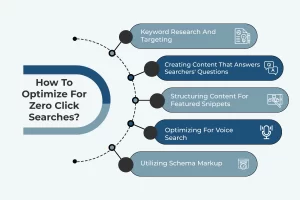
Moreover, zero-click SEO can also help you build trust and credibility with your target audience. By providing users with immediate and accurate information, you demonstrate your expertise and position your Shopify store as a reliable and trustworthy source. This can lead to increased brand loyalty and repeat business, further strengthening your online presence and driving long-term success.
Optimizing your website for Zero-Click SEO
To unlock the power of zero-click SEO for your Shopify store, it’s crucial to optimize your website and online presence. This involves a multi-faceted approach that encompasses various elements, from on-page optimization to technical improvements. By implementing these strategies, you can ensure that your Shopify store is positioned to capture the attention of users directly on the search engine results page.
One of the key aspects of zero-click SEO optimization is the optimization of your product pages and descriptions. Ensure that your product titles, descriptions, and meta tags are well-crafted, incorporating relevant keywords and phrases that your target audience is searching for. This will not only improve your overall search engine visibility but also increase the likelihood of your products appearing in featured snippets and knowledge panels.
Another important factor in zero-click SEO is the optimization of your website’s structure and navigation. Ensure that your Shopify store’s architecture is intuitive and user-friendly, making it easy for search engines to crawl and index your content. This includes implementing a clear and logical hierarchy, using relevant internal linking, and ensuring that your website is mobile-friendly and fast-loading.
Additionally, consider optimizing your website’s technical aspects, such as site speed, schema markup, and structured data implementation. These elements play a crucial role in improving your Shopify store’s visibility and the way it is presented on the SERP. By addressing these technical aspects, you can enhance the user experience and increase the chances of your store appearing in zero-click search results.
Leveraging schema markup for enhanced visibility
One of the powerful tools in the zero-click SEO arsenal is the use of schema markup. Schema markup, also known as structured data, is a standardized way of providing additional information about your web pages to search engines. By implementing schema markup on your Shopify store, you can enhance the way your content is displayed on the search engine results page, ultimately improving your visibility and the likelihood of your store appearing in zero-click search results.
When you add schema markup to your Shopify store’s product pages, you can provide search engines with detailed information about your products, such as price, availability, reviews, and more. This structured data helps search engines better understand the content and context of your pages, making it more likely that your products will be featured in rich snippets, knowledge panels, or other zero-click search results.
Beyond product pages, schema markup can also be applied to other areas of your Shopify store, such as your homepage, blog posts, and even your organization’s information. By leveraging schema markup across your entire online presence, you can create a more comprehensive and cohesive representation of your Shopify store, further improving your chances of appearing in zero-click search results.
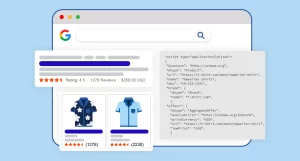
Implementing schema markup on your Shopify store can be a powerful way to stand out in the search engine results page and capture the attention of potential customers. By providing search engines with a clear and structured understanding of your content, you can increase the likelihood of your store being featured in the coveted zero-click search results, ultimately driving more traffic and conversions to your online business.
Utilizing structured data to improve search results
In addition to schema markup, the effective use of structured data can be a game-changer for your Shopify store’s zero-click SEO efforts. Structured data refers to the organized and machine-readable information that you can add to your web pages, providing search engines with a deeper understanding of your content and its context.
When it comes to your Shopify store, structured data can be used to enhance the presentation of your products, reviews, and other key information on the search engine results page. By implementing structured data, you can ensure that your store’s most important details are clearly and prominently displayed, making it easier for users to find the information they need without having to click through to your website.
For example, by adding structured data to your product pages, you can provide search engines with details such as product name, description, price, availability, and even customer reviews. This structured data can then be used by search engines to create rich snippets, which are the enhanced search results that often appear at the top of the SERP, capturing the user’s attention and increasing the likelihood of a click or conversion.
Furthermore, structured data can also be used to highlight your Shopify store’s overall brand and organizational information. By providing search engines with details about your business, location, and contact information, you can improve your store’s visibility and trustworthiness in the eyes of potential customers.
